You’ve probably walked past places like Memorial Hall on Green Street or stood in Monument Square and felt that they matter — not just locally, but historically. That instinct is right. The question is: how do we actually protect places like these?
The answer is landmarking.
Landmark designation is one of the strongest tools we have to protect historic buildings and sites in Boston. Without it, even significant structures can be demolished after just a 90-day delay. With landmark status, changes like demolition or major exterior alterations are reviewed by the Boston Landmarks Commission, ensuring that preservation is considered before history is lost.
In Charlestown, landmarking is not theoretical — it’s happening right now.
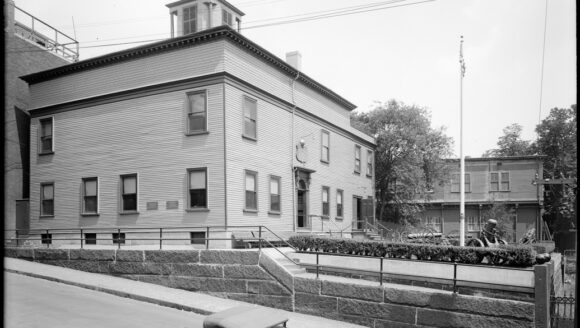
Memorial Hall at 14 Green Street, originally built in 1791 as the Samuel Dexter House, was granted designation as a landmark in May 2026. Over its 200+ year history, it has served as a private mansion, horticultural estate, and since 1888, a meeting hall for the Abraham Lincoln Post of the Grand Army of the Republic. Today, it remains an active community space. A landmark designation would ensure its unique Federal and later architectural features are preserved for generations to come.
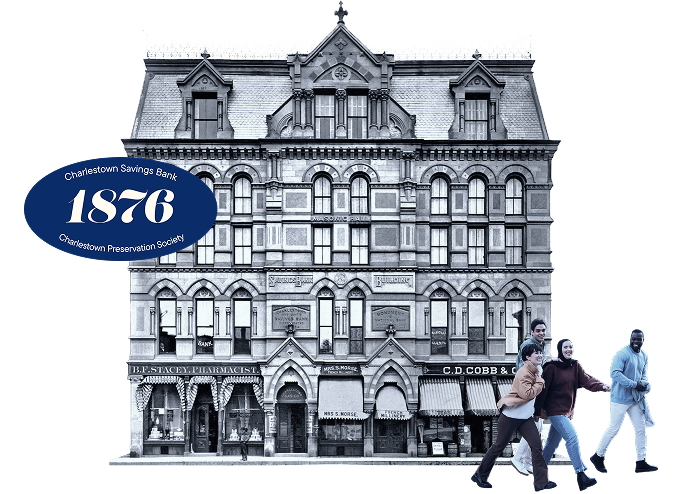
Meanwhile, Monument Square is moving through the process of becoming a Landmark District. This area played a pivotal role in funding the Bunker Hill Monument itself — the surrounding land was developed specifically to finance its construction. Today, the district is recognized for its deep historical and architectural significance, but unlike designated landmarks, it still lacks full protection from demolition.
The landmarking process is public and structured. It begins with a petition, followed by a detailed study report, community input, and review by the Boston Landmarks Commission, Mayor, and City Council. At every step, residents have a voice in shaping what is preserved.
Importantly, landmarking does not freeze neighborhoods in time. It focuses on exterior changes and major alterations while allowing everyday use, maintenance, and evolution to continue.
At its core, landmarking is about stewardship — deciding together what stories our built environment will carry forward. In a city as historically rich as Charlestown, that decision belongs to all of us.
If you’d like to go deeper, read our latest piece on the landmarking process, preservation, and Charlestown’s historic buildings on our blog. And if you care about protecting the places that make Charlestown unique, consider supporting or joining the Charlestown Preservation Society — your voice helps decide what gets preserved next.
Contact Us
Interested in learning about the history of Charlestown, or getting involved? We'd love to hear from you!