Boston’s draft 2030 Climate Action Plan (CAP) sets bold goals for reducing emissions and achieving net zero. As advocates for Boston’s historic neighborhoods, we applaud this leadership—but the plan overlooks one of the most powerful climate strategies available: reusing the buildings we already have.
Preservation Is Climate Action
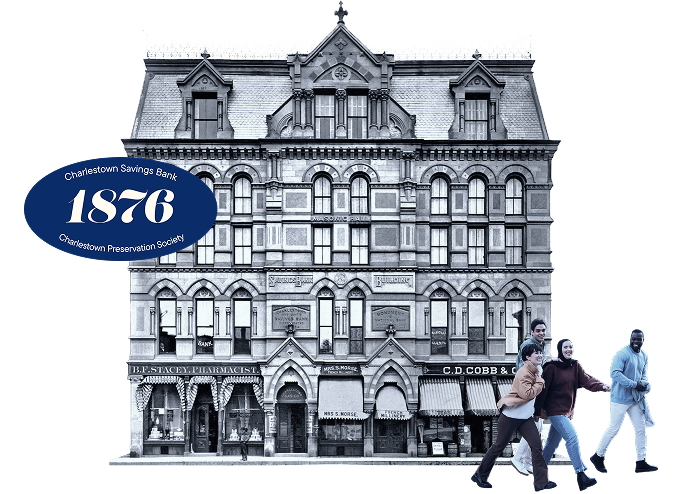
Adapting existing buildings prevents demolition, preserves embodied carbon, and supports resilient, affordable neighborhoods. Studies consistently show that even high-performance new construction can take decades to offset the climate cost of tearing down older structures. The greenest building is often the one that already exists.
Where the CAP Can Go Further
To reach its climate goals, Boston must prioritize reuse and whole-life emissions—not just standards for new construction. Key steps include:
- Expand strategies to all buildings, since only 15% of Boston’s 2050 stock will be new.
- Frame preservation as climate equity, keeping affordable homes and small business spaces in use while improving energy performance.
- Integrate embodied-carbon accounting into retrofit and demolition reviews.
- Expand adaptive-reuse zoning and incentives citywide.
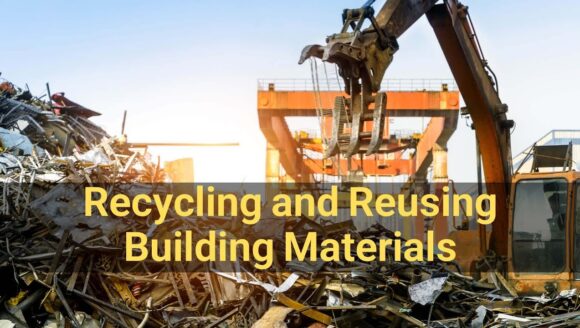
- Support deconstruction and material recovery over demolition.
- Extend Article 85 demolition delays to allow time for reuse alternatives.
- Include historic surveys in planning for streets, squares, and redevelopment areas.
- Add preservation experts to climate resilience task forces, especially for vulnerable historic districts.
Looking Ahead
Boston’s climate leadership is strong but to meet its goals, building reuse must play a central role. The Charlestown Preservation Society stands ready to partner with the City on policies and pilot projects that conserve heritage, reduce embodied carbon, and strengthen neighborhood resilience.
A Call to Action
As the City finalizes the Climate Action Plan, now is the moment for residents, advocates, and community organizations to speak up. We encourage Bostonians to submit comments, attend public meetings, and voice support for building reuse as a core climate strategy. Preserving what we already have isn’t just about history—it’s one of the most effective tools we have to build a sustainable future.
Contact Us
Interested in learning about the history of Charlestown, or getting involved? We'd love to hear from you!